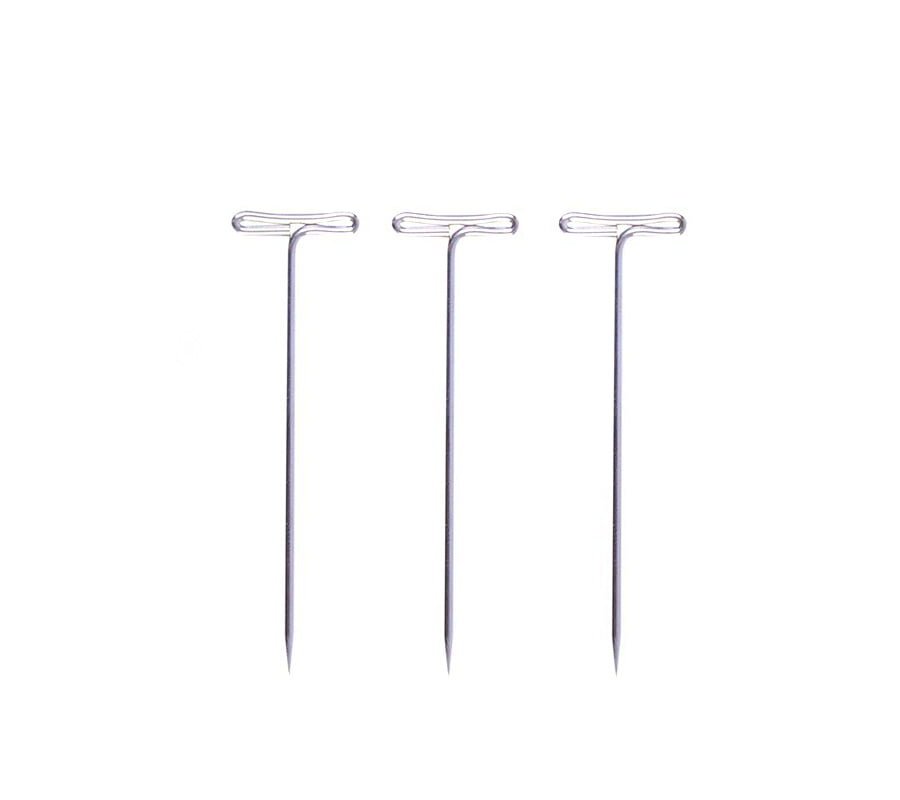
For anyone who works with wigs — whether you're a seasoned stylist, a cosplay enthusiast, a theatrical designer, or simply someone who loves to care for their personal hairpieces — the humble T pin is an indispensable tool. It’s more than just a pin; it’s the quiet hero that ensures your wig stays put, your styling remains precise, and your hard work doesn't unravel. When you're trying to achieve a flawless look, secure your wig for washing, or simply display it beautifully, T Pins for wig styling and display offer the durable security you need to work with confidence.
These specialized pins provide the stable foundation crucial for everything from intricate updos to basic detangling, keeping your wig firmly anchored to its mannequin head. Without them, you’d be fighting a constantly shifting canvas, turning a rewarding creative process into a frustrating battle against gravity.
At a Glance: Your T-Pin Essentials
- What they are: Metal pins shaped like a “T” for superior grip.
- Why use them: Provide maximum security for wigs on mannequin heads during styling, washing, and display.
- Key benefit: Prevent slipping and maintain wig shape, especially for heavier wigs.
- Look for: Nickel-plated stainless steel for rust resistance and durability.
- Common sizes: 2 inches is standard; 1.5 inches also useful for finer work.
- Best practice: Angle pins for a firmer hold; use multiple pins for stability.
- Storage: Keep them organized in a plastic box to prevent loss and dulling.
Why Wig Stylists Swear by T-Pins: The Foundation of Flawless Wigs
Imagine trying to sculpt a delicate hairstyle or meticulously lay lace on a wig cap while your foundation wobbles and shifts. Frustrating, right? This is precisely why wig pins are not just a convenience, but an absolute necessity. They are the unsung heroes that provide the critical stability needed for any wig-related task, from the simplest brush-through to the most complex theatrical creation.
While a variety of pins exist for securing wigs, T-pins stand out for their robust design and superior holding power. They allow you to pull, brush, and manipulate hair with confidence, knowing your wig isn't going anywhere. This foundational security is vital not only for achieving precision in styling but also for protecting the wig itself, preventing damage that can occur from improper handling. Whether you’re blocking a new wig to size, intricately styling a character's hair, or simply washing and air-drying a beloved piece, the right pins make all the difference, transforming a potential struggle into a smooth, enjoyable process.
Beyond the Basics: Understanding Different Wig Pin Types
The world of wig pins is surprisingly diverse, each type designed with specific tasks and wig needs in mind. Understanding these differences helps you choose the right tool for the job, ensuring optimal results and protecting your precious hairpieces.
Standard Wig Pins: The Everyday Anchor
These are your go-to, all-purpose pins. Typically straight with a rounded or slightly flattened head, standard wig pins are excellent for everyday tasks like securing lighter wigs to a mannequin head for basic brushing, gentle styling, or short-term display. They insert easily and provide a reliable hold for most common wig types. Their simplicity makes them a staple in any wig care kit.
The Powerhouse: T-Pins and Their Unmatched Grip
When you need serious security, you reach for T-pins. Their distinctive "T" shape isn't just for aesthetics; it provides a broader, flatter surface at the head, making them easier to push into dense wig blocks and offering a significantly enhanced grip. This extra leverage and surface area mean T-pins are ideal for:
- Heavier Wigs: If you're working with a long, thick, or intricately constructed wig, standard pins might not cut it. T-pins provide the robust hold needed to prevent slippage.
- Intense Styling: For tasks that involve a lot of pulling, tension, or detailed work — like creating elaborate updos, braiding, or working with heat tools — T-pins keep the wig steadfastly in place.
- Wig Blocking: When you're shaping a wig on a canvas head to set its size and fit, T-pins are invaluable for holding it taut and secure as it dries or cools.
- Long-Term Display: For wigs that need to remain pristine on display for extended periods, T-pins offer durable, reliable anchoring.
Their sturdy nature makes them a favorite among professionals and serious hobbyists who demand unwavering stability. To dive deeper into the full spectrum of their utility, you might find our guide All about t pins particularly insightful.
U-Pins: For the Art of Advanced Styling
Sometimes referred to as hairpins or bobby pins with a more open shape, U-pins are curved and designed for more specialized, nuanced tasks. They excel at:
- Securing Updos: Their shape allows them to discreetly hold intricate curls, buns, and braided sections.
- Adding Volume: They can be used to lift sections of hair from underneath, creating volume and shape.
- Finer Details: When you need a secure, yet less noticeable hold within the wig's actual hair strands, U-pins are perfect.
While they don't offer the foundational grip of T-pins for anchoring to a mannequin, they are indispensable for the finishing touches of a complex style.
Hair Clips & Bobby Pins: Temporary Support and Finishing Touches
These familiar tools also play a role in wig styling, though typically for temporary support or minor adjustments rather than primary anchoring.
- Hair Clips (or Alligator Clips): Act as clamps to hold sections of hair out of the way during styling. They provide temporary support but aren't designed to secure the entire wig to a head.
- Bobby Pins: Small, discreet, and perfect for securing loose strands, tucking away flyaways, or adding delicate finishing touches to a styled wig. They offer low to moderate grip strength and are usually incorporated directly into the wig's hair, not the wig head.
Each pin type serves a unique purpose, and often, a comprehensive styling session will involve a combination of these tools. However, for sheer anchoring power and stability on a wig head, T-pins remain the undisputed champion.
The Anatomy of a Superior T-Pin: What to Look For
Choosing the right T-pins isn't just about grabbing the first pack you see. Like any specialized tool, there are key features that elevate a good T-pin to a great one, impacting its durability, ease of use, and overall effectiveness.
Built to Last: Material & Durability
The material of your T-pins is paramount. You want pins that can withstand repeated use, resist bending, and, crucially, fight off rust.
- Nickel-Plated Stainless Steel: This is the gold standard. Stainless steel provides inherent strength, making the pins less prone to bending, even when pushing into dense materials. The nickel plating adds an extra layer of protection, making them highly resistant to corrosion and rust. This is especially important if you're using them for washing wigs, where exposure to moisture is inevitable. A common diameter, around 1.12 mm, strikes a good balance between strength and insertion ease. Avoid pins made of weaker, untreated metals, as they can bend easily, rust quickly, and potentially stain your wig or mannequin head.
Length Matters: Finding Your Fit
T-pins come in a few common lengths, and selecting the right size depends on your specific needs and the type of wig head you're using.
- 2-Inch (50+ mm) Pins: These are the most common and versatile length for wig styling. They provide ample engagement with the wig and the mannequin head, ensuring a secure grip for most human hair and synthetic wigs. For thicker wig caps or denser canvas heads, a 2-inch pin offers the necessary penetration.
- 1.5-Inch Pins: While slightly shorter, these pins are still incredibly useful. They're excellent for securing smaller sections of a wig, working with delicate areas, or when you need a less obtrusive pin. Some stylists prefer a mix of lengths to tackle various tasks efficiently.
Generally, longer pins offer more grip and stability, particularly for heavier wigs or very firm wig heads.
Heads Up: T-Bar Design for Maximum Grip
The distinguishing "T" shape isn't just a design choice; it's a functional feature that greatly enhances the pin's utility.
- T-Bar Head: The flat, wider T-bar head (often around 14 mm wide) provides a much better grip for your fingers, making it easier to push and pull the pins, especially into stiff wig blocks. More importantly, this design prevents the pin from easily slipping through the wig cap or the fabric cover of a mannequin head. Compared to small, rounded heads on standard pins, the T-bar offers superior leverage and a more reliable hold against outward pressure.
Weight Class: Matching Pins to Wig Density
Consider the weight and density of the wigs you'll be styling. This is a critical factor in determining the type and quantity of pins you'll need.
- Heavier Wigs: Long, thick human hair wigs, or those with elaborate built-in structures, carry significant weight. For these, robust T-pins are essential. Their superior grip strength prevents the wig from shifting or sagging, even under tension. You'll likely need more pins for a heavy wig to distribute the load evenly.
- Lighter Wigs: Shorter synthetic wigs or those with thinner densities can often be secured with standard wig pins or fewer T-pins. However, even with lighter wigs, T-pins still offer an added layer of security, especially if you're working on a complex style.
Always err on the side of stronger pins for heavier wigs to avoid frustration and potential damage.
Styling Demands: When T-Pins Shine Brightest
Your intended styling techniques will also guide your pin selection.
- Wig Blocking: T-pins are indispensable for blocking, as they allow you to stretch and secure the wig cap to the desired shape and size on a canvas block head. The strong hold is vital for maintaining tension as the wig conforms.
- Intricate Styles & Updos: When creating elaborate hairstyles that involve significant backcombing, braiding, or lifting, the unyielding grip of T-pins ensures the wig stays perfectly still while you work. This precision is difficult to achieve with less secure pins.
- Washing & Drying: Securing a wig with T-pins to a foam or canvas head during washing helps maintain its shape and allows for proper air circulation, preventing kinks and speeding up drying.
Wig Material Compatibility: Human Hair vs. Synthetic
While T-pins are generally safe for both human hair and synthetic wigs, there are subtle considerations:
- Human Hair Wigs: These are often heavier and may require more T-pins for secure styling. The density of human hair also means you'll appreciate the ease of insertion offered by sturdy, sharp-tipped T-pins.
- Synthetic Wigs: Lighter synthetic wigs might not demand the same level of grip as human hair. However, if you're heat-styling synthetic hair (with heat-friendly fibers), the stability provided by T-pins is still beneficial. Ensure your pins are smooth and free of burrs to prevent snagging delicate synthetic fibers.
Stocking Up: Quantity & Packaging
How many pins do you really need? And how should you store them?
- Quantity:
- Occasional Use/Hobbyist: A pack of 50 T-pins is usually sufficient for personal use or occasional styling.
- Frequent Use/Studio: For professionals, cosmetology students, or those who style multiple wigs regularly, larger packs (100-150 pieces) are a much better investment. Having an ample supply means you're never scrambling for another pin in the middle of a project.
- Storage and Portability: Look for pins that come with a dedicated storage solution. A clear plastic box is ideal. It keeps your pins organized, prevents them from getting lost, protects the tips from dulling, and makes them easy to transport. Loose pins are a hazard and a nuisance.
By carefully considering these factors, you can invest in T-pins that not only meet your immediate needs but also serve you reliably for countless styling sessions to come.
Spotlight on Excellence: Recommended T-Pin Brands & Features
When you're ready to invest in quality T-pins, a few brands consistently rise to the top for their reliability and performance. Here's a look at some popular options, highlighting their key features:
| Brand | Pack Size | Lengths (inches) | Material | Head Type | Notable Features |
|---|---|---|---|---|---|
| Newkita | 50 | 2 | Nickel-plated steel | T-bar | 1.12 mm diameter, 14 mm head, plastic box |
| Mudder | 100 | 2 | Nickel-plated steel | T-bar | 14 mm head, plastic storage box |
| JFFX | 50 | 2 | Nickel-plated steel | T-bar | Transparent plastic packaging |
| Sunenlyst | 100 | 1.5 | Stainless steel | T-shaped | Shorter length for specific tasks |
| Haidi Hair | 150 | 1.5 & 2 | Nickel-plated stainless steel | T-shaped | Multi-size pack, includes storage box |
| These options offer various pack sizes and lengths, allowing you to choose the best fit for your specific needs, whether you're looking for a smaller hobbyist set or a bulk professional supply. The common thread among them is durable, rust-resistant construction, ensuring they'll be a long-lasting addition to your wig styling toolkit. |
Mastering the Art: Expert Techniques for Using T-Pins
Using T-pins effectively is an art form, ensuring your wig stays secure without causing damage. Here are some expert tips to get the most out of your pins:
- Secure the Wig Properly: Start with a Foundation: Don't just haphazardly jab pins in. Begin by securing the wig at the front (temple areas) and back (nape). These initial pins establish a stable base and help position the wig correctly on the mannequin head. Once the main anchors are in place, you can add more pins around the perimeter for extra security.
- Angle for Maximum Grip: Resist the urge to push pins straight down. Instead, insert them at a slight angle. This allows the pin to grip both the wig cap and the material of the mannequin head more firmly, creating a tension that prevents slipping. Think of it like a tent stake: angled stakes hold better than straight ones.
- Don't Be Shy: Use Multiple Pins: Especially for heavier wigs, intricate styles, or if you plan on applying significant tension, don't hesitate to use more pins. It's better to over-secure than to have your wig pop off mid-styling. Distribute pins evenly around the wig's perimeter and at key tension points. For a basic setup, 10-20 pins might suffice, but complex styles could require many more.
- Care and Reuse for Longevity: Quality T-pins are designed to be reusable, but they need a little care.
- Cleanliness: If pins become sticky from styling products, gently wipe them clean.
- Inspection: Before reusing, quickly inspect each pin. Discard any that are bent, dull-tipped, or showing signs of rust. Bent pins won't hold securely and can damage your wig or mannequin, while dull tips can snag delicate wig fibers.
- Storage: Always store your T-pins in a designated container, like the plastic boxes they often come in. This prevents loss, keeps them sharp, and protects them from moisture that could lead to rust.
By following these simple techniques, you'll not only enhance your styling precision but also extend the life of your T-pins and your wigs.
T-Pins vs. The Rest: A Grip Strength Showdown
To truly appreciate the power of T-pins, it helps to compare them to other wig securing tools. Each has its place, but their grip strength and typical uses vary significantly.
| Pin Type | Material | Common Lengths (inches) | Grip Strength | Typical Use | Best For |
|---|---|---|---|---|---|
| T-Pins | Nickel-plated steel | 1.5 - 2.5 | High | Anchoring to mannequin head, blocking, styling | Heavy wigs, intricate styles, long-term display |
| Standard Pins | Steel | 2 - 3 | Moderate | Basic securing to mannequin head | Lighter wigs, general brushing, simple display |
| U-Pins | Steel | 2.5 - 3 | Moderate | Securing updos, internal styling support | Advanced updos, intricate bun work, volume |
| Hair Clips | Plastic/Metal | 2 - 3 | Moderate-Low | Sectioning hair, temporary holds | Holding sections away, setting curls |
| Bobby Pins | Metal | ~2 | Low-Moderate | Securing loose strands, finishing touches | Flyaways, small braids, discreet holds |
Why Not Regular Sewing Pins?
You might be tempted to grab a handful of regular sewing pins for your wig work. While they might seem similar, they are generally not recommended for several reasons:
- Lack of Grip: Sewing pins typically have small, round heads that offer very little grip for your fingers, making them hard to push into dense wig blocks. They also lack the surface area to effectively secure a wig against pulling.
- Too Flimsy: Many sewing pins are thinner and made from weaker metals, making them prone to bending or breaking when trying to pierce a wig cap and a wig head.
- Rust Potential: Standard sewing pins are often not nickel-plated for rust resistance, meaning they can quickly corrode when exposed to moisture (e.g., during wig washing), potentially staining your wig or mannequin head.
- Sharp Tips: While sharp tips are good, some sewing pins can be excessively sharp and prone to snagging delicate wig fibers or even poking through the mannequin's surface in an undesirable way.
Investing in proper T-pins is a small cost that saves you a lot of frustration and protects your valuable wigs in the long run.
Your Burning Questions Answered: T-Pins FAQ
Got more questions about T-pins? We've got answers to some of the most common queries.
How many T-pins do I need for a wig?
The number of T-pins you need depends on the wig's weight, length, and the complexity of the style. For basic styling or display of a lighter wig, 10-20 pins might be sufficient. For heavier, longer wigs, or intricate styling sessions, you might need 30-50+ pins to ensure maximum security. It's always a good idea to have an ample supply on hand. Professionals often buy in packs of 100-150.
Are T-pins safe for human hair wigs?
Yes, T-pins are generally safe for human hair wigs when used properly. Ensure the pins are smooth, rust-free, and have no burrs that could snag hair. The key is to insert them carefully into the wig cap and mannequin head, not directly into the delicate hair strands, unless you're using U-pins for styling within the hair itself.
Can I use T-pins for other crafts besides wigs?
Absolutely! T-pins are incredibly versatile and are popular in various crafting and textile arts. They are commonly used in:
- Blocking knitting and crochet projects: To shape and stretch finished pieces.
- Sewing and quilting: To hold multiple layers of fabric securely.
- Upholstery: For temporary fastening of fabric.
- Model making and display: For securing components.
Their robust design and strong grip make them useful whenever you need to hold something securely in place.
How do I prevent T-pins from rusting?
To prevent T-pins from rusting, ensure you purchase nickel-plated stainless steel pins. After using them, especially if they've been exposed to moisture (like during wig washing), ensure they are completely dry before storing them. Store them in a closed container (like a plastic box) in a dry environment to protect them from humidity.
What's the best way to remove T-pins from a wig head?
Remove T-pins by gripping the "T" head firmly and pulling straight out or at a slight angle, following the direction of insertion. Avoid wiggling them aggressively, as this can damage the wig cap or the mannequin head. Be mindful of any hair that might be wrapped around the pin to avoid snagging.
Securing Your Style: Final Thoughts on T-Pin Investment
In the intricate world of wig styling and display, precision and stability are non-negotiable. T-pins, with their robust construction and superior grip, are not merely an accessory; they are a fundamental tool that empowers you to create with confidence, knowing your wig is securely anchored.
From the initial blocking of a new piece to the final intricate flourishes of a complex style, the right T-pins make every step smoother, more efficient, and ultimately, more successful. Investing in high-quality, nickel-plated stainless steel T-pins of appropriate lengths, coupled with proper usage and care, will save you frustration, protect your valuable wigs, and elevate your styling capabilities. So, take the time to choose wisely, master their use, and enjoy the lasting security they bring to all your wig endeavors.